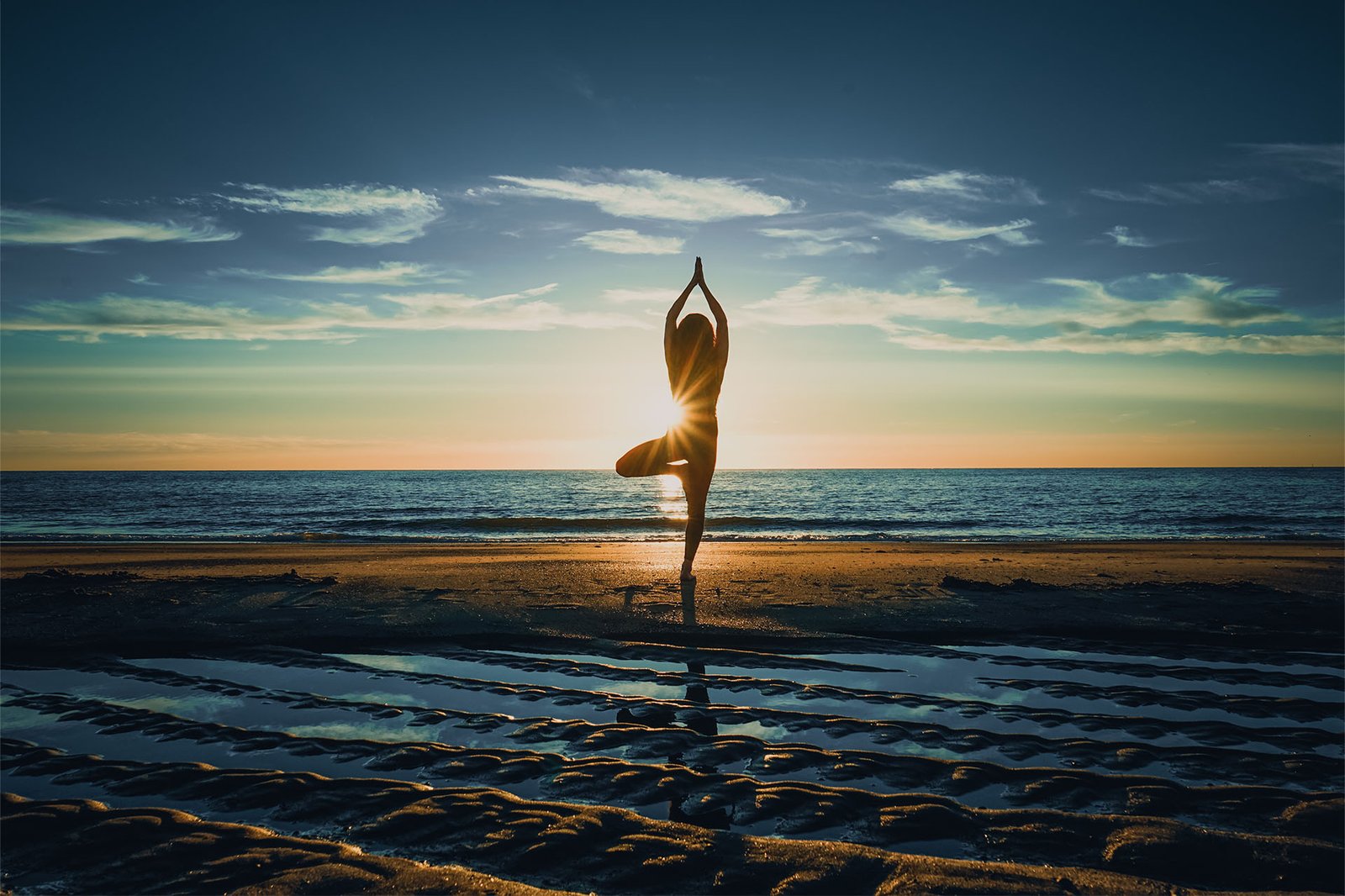
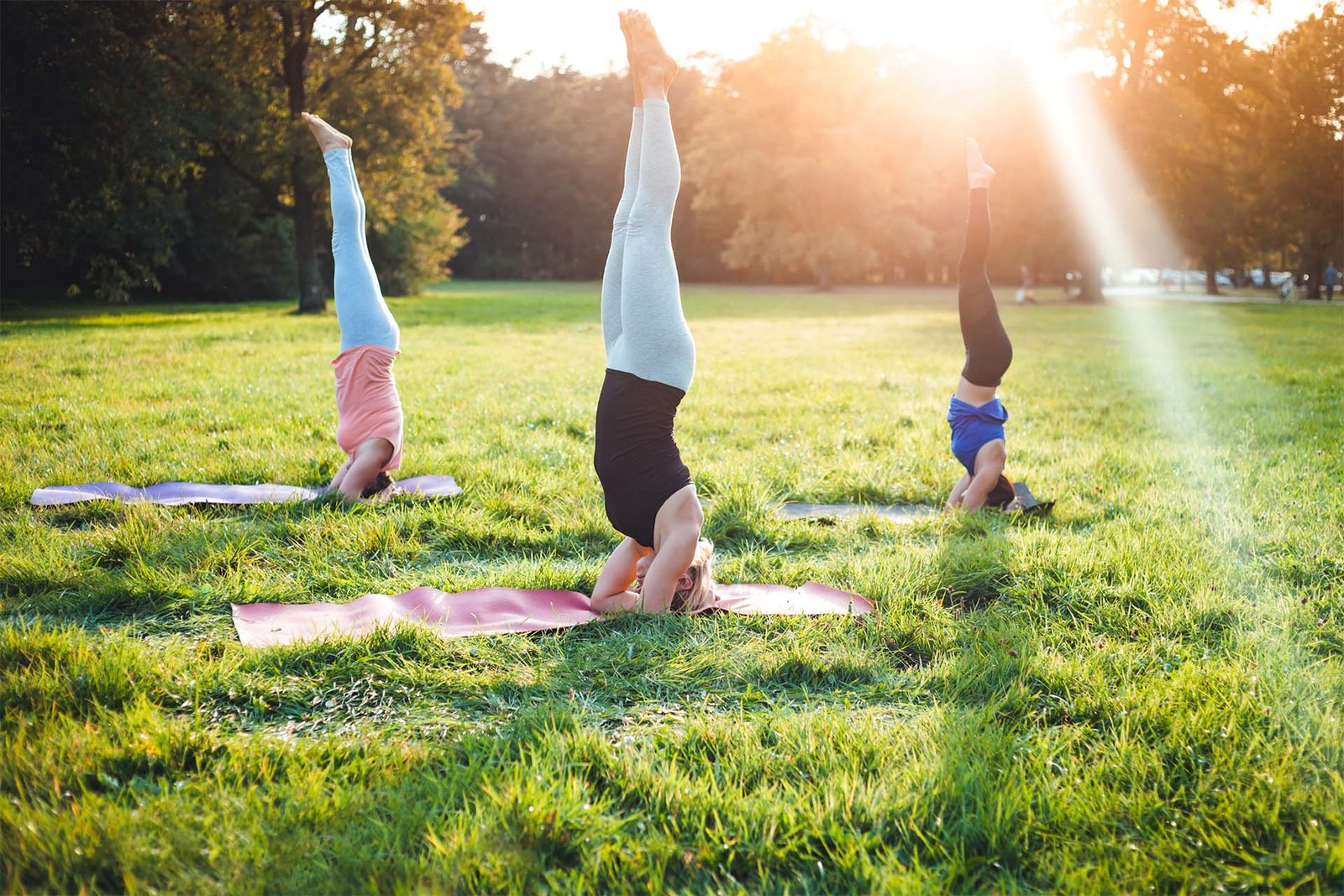
Starting yoga can feel uncertain, especially if you’re not sure what to expect or whether it’s right for you. A beginner yoga practice doesn’t require flexibility, strength, or prior experience. It begins with curiosity and a willingness to move and pause in ways that feel manageable. Many people start with a beginner-friendly yoga class, where guidance and options help create a sense of safety and confidence from the outset.
Why Should You Start a Beginner Yoga Practice?
People often come to yoga when they’re looking for steadiness rather than intensity. A beginner yoga practice can support mobility, breathing awareness, and a calmer relationship with the body. Rather than focusing on performance, yoga encourages noticing how you feel before, during, and after movement. Over time, this awareness can support nervous system balance and help you respond to everyday stress with more clarity and control.
What Do You Need to Start Doing Yoga?
You need far less than most people expect. Comfortable clothing that allows you to move easily is enough to begin. You don’t need to touch your toes, hold poses, or keep up with anyone else. Starting yoga is about paying attention to what feels supportive in your body on that day. Approaching practice with patience and flexibility allows it to adapt to you, rather than you needing to adapt to the practice.
How Do You Know If Yoga Is Right for You?
Yoga often appeals to people who value choice and self-awareness. If you prefer movement that can be adjusted, paused, or modified, yoga may feel accessible. Some people first explore this through extended experiences, such as a yoga wellness retreat, where there’s time and space to notice how the body and nervous system respond without pressure. You don’t need to feel relaxed during every session. It’s enough to notice whether the practice supports a sense of steadiness or awareness over time.
What Are Some Basic Yoga Practices to Start With?
When starting out, many people benefit from approaches that move slowly and allow time to notice breath and sensation. Beginning with supportive practices can help build confidence without overwhelming the body or nervous system.
- Gentle movement: Slow, simple movements help ease stiffness and improve mobility without strain.
- Longer-held postures: Holding poses for a short period allows you to settle into shapes gradually and notice how your body responds.
- Breath awareness: Paying attention to breathing supports steadiness and can help regulate energy levels.
- Guided rest: Periods of rest allow the body to integrate movement and reduce overall tension.
These practices create a steady foundation. Over time, they can support greater comfort with movement and help you decide whether exploring more active styles feels appropriate.
Where Can You Learn How to Improve Your Yoga Practice?
Learning with experienced guidance can support consistency and confidence. Classes, workshops, and longer-format learning experiences offer opportunities to deepen understanding in a calm, structured way.
If you’re ready to explore further, our yoga retreat centre provides trauma-informed, restorative practices designed to support beginners with care, choice, and clear guidance.